
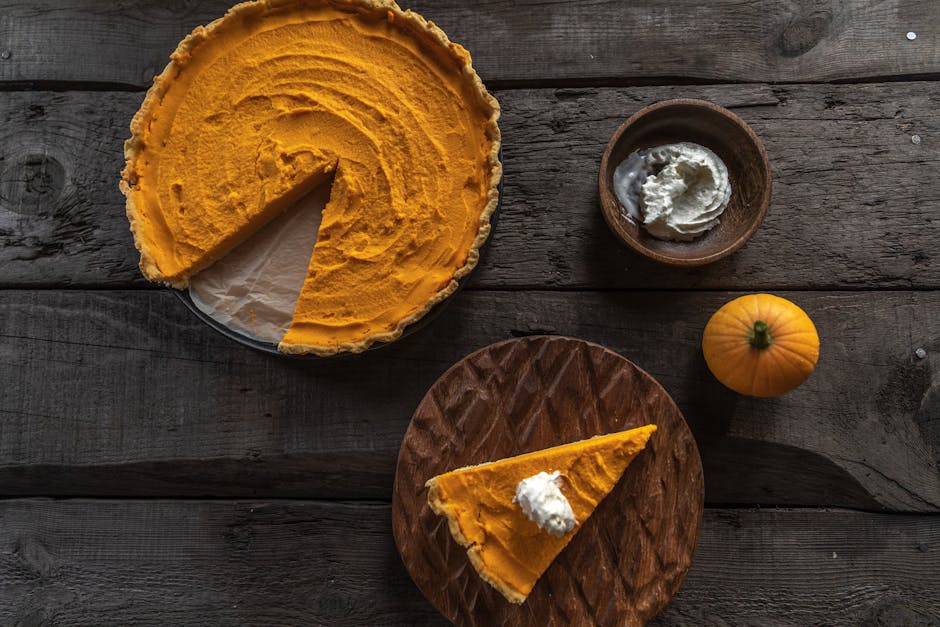
The arrival of crisp air and colorful leaves signals one of the most beloved baking seasons of the year. At its heart lies a humble, versatile ingredient that transforms into a symphony of warm, spiced flavors: pumpkin. This guide is your comprehensive resource for mastering **pumpkin dessert recipes**, moving beyond simple lists to build your foundational knowledge. We’ll explore the science of the ingredient, perfect the timeless classics, and discover elegant modern applications, empowering you to bake with confidence all season long.
Why Pumpkin is a Dessert Superstar
Pumpkin’s magic in the kitchen stems from its unique culinary profile. Its flesh offers a subtle, earthy sweetness that acts as a perfect canvas for a range of flavors, unlike overpoweringly sweet fruits. This versatility is why it shines in everything from dense, spiced breads to airy, delicate mousses.
While we celebrate it in desserts, pumpkin also brings notable nutritional benefits to the table. It’s a good source of fiber, which can contribute to a satisfying texture in baked goods, and is rich in vitamins like vitamin A, important for vision and immune function.[^1] This nutritional profile adds a whisper of wholesomeness to indulgent treats.
Beyond the plate, pumpkin is deeply woven into autumnal and holiday traditions, particularly in North America. Its historical use by Indigenous peoples and early settlers laid the groundwork for its iconic status. Today, the American Pie Council recognizes pumpkin pie as a staple of Thanksgiving celebrations, cementing its role as a dessert that evokes warmth, gathering, and nostalgia.[^2]
Mastering the Foundation: Pumpkin Puree & Spice
The quality of your **pumpkin dessert recipes** hinges on two key elements: the puree and the spice blend. Understanding your options here is the first step toward bakery-level results.
How to Make and Use Homemade Pumpkin Puree
For the ultimate flavor and texture control, making your own puree is rewarding. Start with a “Sugar Pie” pumpkin variety, bred for sweetness and smooth flesh, not the large, stringy carving pumpkins.
Halve the pumpkin, scoop out the seeds, and roast it cut-side down until the flesh is completely tender. Scoop the flesh into a food processor and blend until silky smooth. The crucial final step is draining the puree in a cheesecloth-lined strainer for at least an hour to remove excess water. This prevents a soggy, dense texture in your final bakes, ensuring your cakes are moist but not gummy and your pie filling sets perfectly.
Building Your Signature Spice Mix
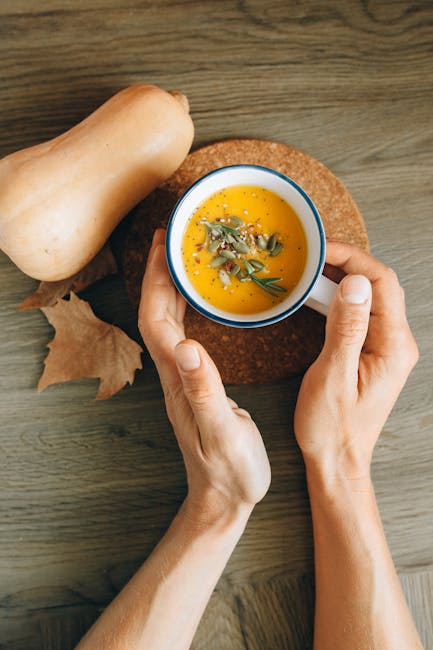
While pre-mixed “pumpkin pie spice” is convenient, crafting your own blend allows for customization and superior flavor. The classic quartet is cinnamon, ginger, nutmeg, and cloves, often with allspice. A common starting ratio is 4 parts cinnamon to 2 parts ginger to 1 part each nutmeg and cloves.
For deeper aroma, toast whole spices like cinnamon sticks or nutmeg before grinding. Don’t be afraid to experiment with modern twists: a pinch of cardamom adds floral complexity, a grind of black pepper provides warmth, and finely grated orange zest can brighten the entire blend.
The Quintessential Pumpkin Pie, Perfected
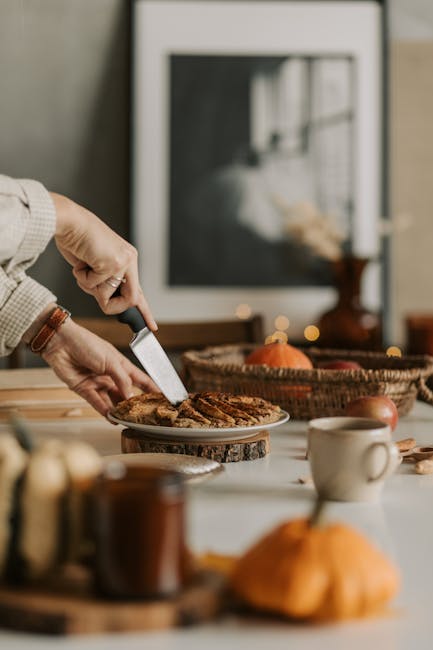
No guide to **pumpkin dessert recipes** is complete without a deep dive into the iconic pie. Mastering it requires attention to both its components: the crust and the filling.
The Secret to a Flaky, Soggy-Proof Crust
A great crust is the foundation. The key is keeping your fat (butter, shortening, or lard) cold and handling the dough minimally to prevent gluten development, which leads to toughness. For a guaranteed crisp bottom, especially with a wet filling like pumpkin, pre-bake or “blind bake” your crust. Line the chilled dough with parchment and pie weights, then bake until set. This creates a barrier against moisture. For a flavorful twist, consider a crust made from crushed gingersnaps or pecan shortbread.
Achieving the Silkiest Pumpkin Filling
The filling is a delicate custard. The dairy you choose affects richness; evaporated milk is traditional and yields a firm yet tender set, while heavy cream creates a luxuriously silky mouthfeel. Eggs are the primary thickening agent—overbeating them can incorporate too much air and lead to cracking.
To prevent cracks, bake the pie at a relatively low temperature (around 350°F/175°C) and allow it to cool gradually in the turned-off oven with the door ajar. The pie is done when the edges are set but the center still has a slight, gentle jiggle—it will firm up as it cools.
Beyond the Pie: Elevating Pumpkin in Other Desserts
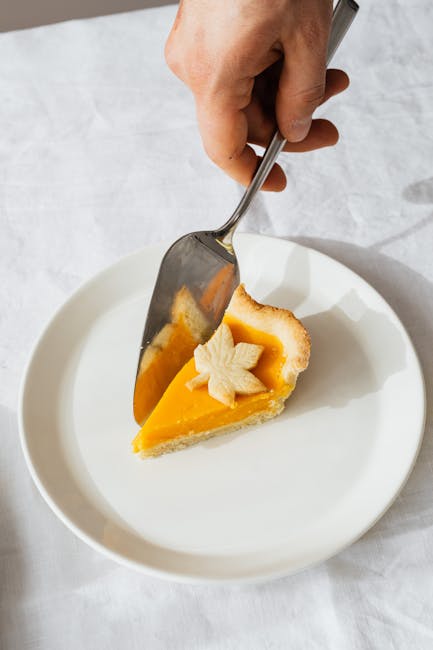
Pumpkin’s adaptability allows it to star in countless other confections, offering wonderful variety for your dessert table.
A Showstopping Pumpkin Spice Layer Cake
Pumpkin puree is a baker’s secret weapon for creating incredibly moist cakes. Its natural moisture and fiber help produce a tender, dense-yet-soft crumb that stays fresh for days. When developing a layer cake recipe, balance is key: ensure your spice blend is present but not overwhelming in both the cake layers and a complementary frosting, like cream cheese or brown butter buttercream. Decorate simply with piped frosting, candied pecans, or a dusting of spice for a stunning festive centerpiece.
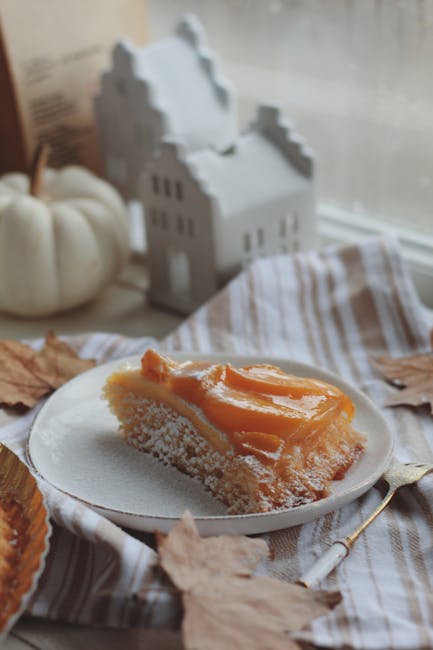
Rich and Creamy Pumpkin Cheesecake
Incorporating pumpkin into a classic cheesecake adds seasonal flavor and a beautiful color. The main technical consideration is the extra moisture from the puree. To compensate, you might slightly increase the baking time at a low temperature and ensure your puree is well-drained. A water bath is highly recommended to ensure even, gentle cooking that prevents cracking. Pair it with a spiced graham cracker crust and top with a drizzle of salted caramel or a dollop of spiced whipped cream.
Pro Tips for Storage, Serving, and Make-Ahead
Proper storage keeps your creations delicious. Most baked pumpkin goods, like pies, cakes, and breads, are best covered and refrigerated after cooling completely due to their dairy content. They typically keep for 3-4 days. For longer storage, most **pumpkin dessert recipes** freeze beautifully. Wrap pies and cakes tightly in plastic wrap and foil; they can be frozen for up to 2-3 months. Thaw overnight in the refrigerator.
Elevate your servings with simple accompaniments: a cloud of freshly whipped cream, a warm caramel or bourbon sauce, or a sprinkle of toasted pecans or pepitas for crunch. For stress-free entertaining, you can bake pies or cakes 1-2 days ahead; the flavors often meld and improve. You can also prepare and freeze your homemade puree and spice blends months in advance.
FAQs
**Can I use fresh pumpkin instead of canned in any recipe?**
Yes, but it’s crucial to use the right variety (like Sugar Pie pumpkin) and, most importantly, drain your homemade puree thoroughly to match the thicker consistency of canned puree and avoid watery results.
**My pumpkin pie filling cracked. What went wrong?**
Cracking is usually caused by overbaking or cooling too quickly. Next time, bake at a lower temperature, use the “jiggle test” to determine doneness, and let the pie cool gradually in the turned-off oven before moving it to the counter.
**How can I make my pumpkin desserts less spicy?**
Start by reducing the amount of ginger, cloves, and allspice in your blend, as these are the most pungent. Increase the sweeter, warmer cinnamon and consider adding a touch of vanilla or brown sugar to round out the flavor.
**Can I freeze a finished pumpkin pie?**
Absolutely. Bake and cool the pie completely, then wrap it tightly in plastic wrap and aluminum foil before freezing for up to 2 months. Thaw it overnight in the refrigerator before serving.
**What’s the best dairy to use for a richer pumpkin pie filling?**
While evaporated milk is traditional, using heavy cream or a combination of cream and whole milk will yield a richer, silkier custard with a more luxurious mouthfeel.
References
[^1]: USDA FoodData Central. *Pumpkin, raw*. Retrieved from https://fdc.nal.usda.gov/fdc-app.html#/food-details/168448/nutrients
[^2]: American Pie Council. *History of Pie*. Retrieved from https://www.piecouncil.org/history-of-pie/
– King Arthur Baking. *How to make pumpkin puree*. Retrieved from https://www.kingarthurbaking.com/blog/2018/10/25/how-to-make-pumpkin-puree
– Serious Eats. *The Food Lab’s Perfect Pumpkin Pie*. Retrieved from https://www.seriouseats.com/the-food-lab-perfect-pumpkin-pie-recipe
– Parks, S. (Serious Eats). *Pumpkin Pie Spice Recipe*. Retrieved from https://www.seriouseats.com/pumpkin-pie-spice-recipe