
Introduction
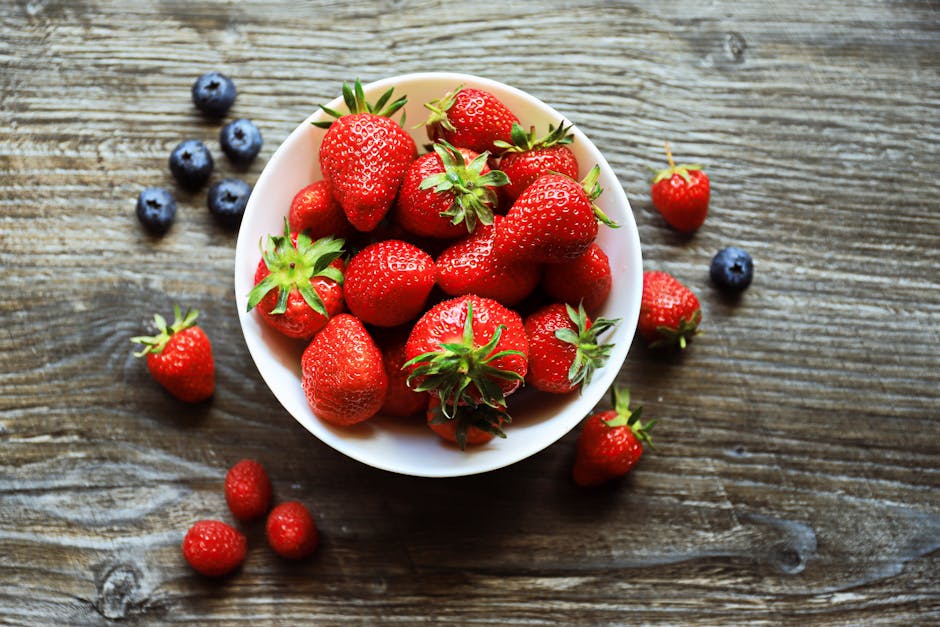
Craving something sweet doesn’t have to mean abandoning your health goals. With a thoughtful approach to ingredients and techniques, you can create delicious, satisfying treats that nourish your body. This guide to **healthy dessert recipes** will show you how to transform classic sweets into nutrient-dense delights, focusing on whole foods and mindful preparation. Let’s explore how you can indulge your sweet tooth, completely guilt-free.
What Makes a Dessert Healthy?
A healthy dessert is more than just a lower-calorie version of a traditional treat. It’s about making intentional choices that enhance the nutritional value of your indulgence. The foundation lies in using ingredients that provide benefits beyond simple sweetness.
True **healthy dessert recipes** are typically low in added sugars, high in dietary fiber, and packed with nutrient-dense components. The American Heart Association recommends limiting added sugars to no more than 25 grams per day for women and 36 grams for men.[^1] By using natural sweeteners like raw honey, pure maple syrup, or the inherent sweetness of fruits, you can significantly reduce your intake of refined sugars while adding beneficial antioxidants and minerals.
Furthermore, incorporating whole grains, nuts, and seeds introduces valuable fiber, which aids digestion and helps create a feeling of fullness. This prevents the rapid blood sugar spikes often associated with conventional desserts. Think of it as an opportunity to add a nutritional boost to every bite, turning your treat into a source of sustained energy and wellness.
Key Ingredients for Healthy Desserts
Building a pantry stocked with wholesome ingredients is the first step toward creating consistently delicious **healthy dessert recipes**. Knowing what to reach for can make the process intuitive and enjoyable.
Natural Sweeteners
Refined sugar can often be replaced with more nutrient-rich alternatives. Medjool dates, for instance, are a fantastic base for raw energy balls and bars, providing a caramel-like sweetness along with fiber and potassium. Mashed ripe bananas naturally sweeten muffins and quick breads, while also adding moisture. For a concentrated, zero-calorie option, stevia—derived from the leaves of the Stevia rebaudiana plant—can be used in moderation for sweetening everything from beverages to baked goods.
Protein and Healthy Fats
Including sources of protein and healthy fats transforms a dessert from a simple carbohydrate hit into a balanced, satisfying experience. Greek yogurt and skyr add a creamy tang and a significant protein boost to parfaits and frozen popsicles. Nut butters like almond or peanut butter provide richness, protein, and healthy fats, making them perfect for no-bake cookies and satay-style dessert sauces.
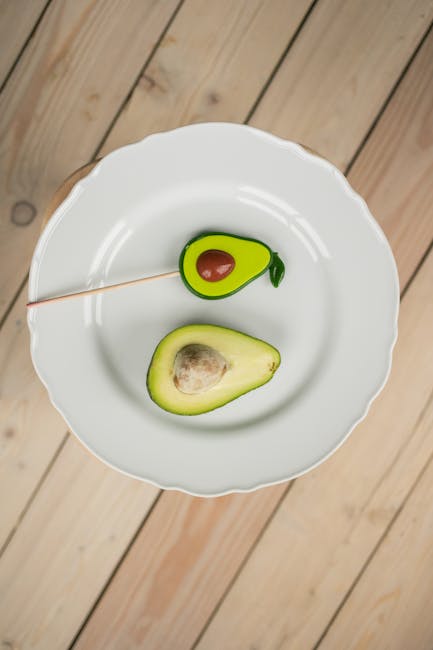
Don’t shy away from fats; the right kinds are essential for both flavor and nutrition. Avocado creates an unbelievably creamy texture in mousses and puddings. Coconut oil is excellent for raw desserts and can replace butter in many baked applications. Nuts and seeds, such as walnuts, almonds, and chia seeds, contribute crunch, flavor, and heart-healthy omega-3 fatty acids.
Fruits and Vegetables in Desserts
One of the most delightful strategies in **healthy dessert recipes** is the clever use of fruits and vegetables. They add natural sweetness, moisture, and a wealth of vitamins and minerals.
Unsweetened applesauce or mashed bananas are brilliant for replacing some or all of the oil or butter in baked goods like muffins, cakes, and brownies. They act as binders and sweeteners simultaneously, reducing the need for added fats and sugars.
For an even greater nutrient punch, incorporate grated vegetables. Zucchini lends wonderful moisture and a mild flavor to chocolate cakes and breads. Carrots are a classic in carrot cake, providing sweetness and beta-carotene. Even beets can be used to create deeply colored, moist, and incredibly fudgy chocolate cakes, their earthy flavor perfectly complementing the cocoa.

Sample Recipe: No-Bake Avocado Chocolate Mousse
This recipe is a perfect example of how simple, whole ingredients can come together to create a decadent-tasting yet healthy dessert. It’s rich, creamy, and ready in minutes.
**Ingredients:**
* 2 ripe avocados, pitted and scooped
* 1/4 cup unsweetened cocoa powder
* 1/4 cup honey or pure maple syrup
* 1/4 cup unsweetened almond milk
* 1 teaspoon vanilla extract
* A pinch of sea salt
**Instructions:**
1. Ensure your avocados are ripe—they should yield slightly to gentle pressure.
2. Combine all ingredients in a high-speed blender or food processor.
3. Blend until the mixture is completely smooth and creamy, stopping to scrape down the sides as needed. This may take one to two minutes.
4. Taste and adjust sweetness, adding a little more honey if desired.
5. Divide the mousse into serving glasses and chill for at least 30 minutes to allow the flavors to meld and the texture to firm up.
For the best flavor balance, use high-quality cocoa powder. If the mixture is too thick, add a tablespoon more of almond milk. For variations, try blending in a handful of spinach (you won’t taste it!), a splash of peppermint extract, or a tablespoon of peanut butter.
Nutritional Breakdown
A single serving of this avocado chocolate mousse offers a favorable nutritional profile compared to traditional mousse. It is rich in heart-healthy monounsaturated fats from the avocado, which can help support healthy cholesterol levels.[^2] The cocoa powder provides flavonoids, antioxidants known for their potential benefits to heart and brain health.
While exact numbers vary, a serving typically contains a balanced mix of healthy fats, natural sugars, and a small amount of fiber and protein, making it a satisfying and nutrient-conscious choice.
Tips for Adapting Traditional Desserts
You don’t have to abandon your family-favorite recipes to eat healthier. With a few smart swaps, you can adapt nearly any traditional dessert into one of your new favorite **healthy dessert recipes**.
Start by reducing the amount of sugar called for in a recipe by one-quarter to one-third. You’ll be surprised how often you don’t miss it, especially when using other flavorful ingredients. You can apply the same principle to fats; for example, replacing half the butter with unsweetened applesauce or mashed banana in muffins and cakes.
Flour is another area for a healthy upgrade. Substitute up to half of the all-purpose flour with whole wheat pastry flour, which has more fiber and nutrients but a lighter texture than regular whole wheat. For gluten-free options, almond flour or oat flour are excellent nutrient-dense choices that add protein and a lovely, nutty flavor.
Finally, don’t underestimate the power of spices. Cinnamon, nutmeg, cardamom, and pure vanilla extract can enhance the perception of sweetness, allowing you to use less sugar overall while creating a more complex and delightful flavor profile.
Storing and Serving Healthy Desserts
Proper storage is key to maintaining the freshness and quality of your homemade **healthy dessert recipes**. Since many of these desserts contain fresh fruit, dairy, or lack preservatives, they often have a shorter shelf life. Most should be stored in an airtight container in the refrigerator and consumed within 3-4 days.
Many healthy desserts also freeze beautifully. The avocado chocolate mousse, for example, can be frozen for up to a month. Simply thaw it in the refrigerator before serving. When it’s time to serve, a beautiful garnish can elevate the simplest treat. A few fresh berries, a sprinkle of chopped nuts, a few cacao nibs, or a fresh mint leaf adds texture, color, and a final burst of flavor.
Consider pairing your dessert with a complementary beverage. A cup of herbal tea like peppermint or chamomile can enhance the relaxing experience, while a glass of cold almond milk complements the richness of a chocolate dessert perfectly.
Conclusion
Creating delicious **healthy dessert recipes** is an empowering and creative process. By focusing on whole-food ingredients like natural sweeteners, fresh fruits, vegetables, and healthy fats, you can satisfy your cravings in a way that feels good for your body. Remember the core principles: reduce added sugars, boost fiber with whole grains, and don’t be afraid to experiment with fruits and vegetables in unexpected ways. Start with the avocado mousse or a simple adaptation of a classic, and discover a whole new world of guilt-free indulgence.
FAQs
**Can I make healthy desserts if I’m on a sugar-free diet?**
Absolutely. You can use sugar alternatives like stevia, monk fruit sweetener, or erythritol. Relying on the natural sweetness of very ripe fruits like bananas, mangoes, and dates is another excellent strategy for creating satisfying sugar-free treats.
**What is a good first recipe to try for a beginner?**
The No-Bake Avocado Chocolate Mousse included in this guide is a perfect starting point. It requires no special baking skills, uses simple equipment, and delivers a impressively creamy, decadent result.
**Do healthy desserts actually taste good?**
Yes, when done well, they are delicious! The goal isn’t to create a “diet” food but to make a treat that is both flavorful and nutritious. Using high-quality ingredients like good cocoa powder, vanilla, and spices ensures a rich and satisfying taste.
**How can I add more protein to my desserts?**
Incorporate ingredients like Greek yogurt, cottage cheese, nut butters, or a scoop of unflavored protein powder. Chia seeds and hemp hearts are also easy stir-ins that boost protein content.
**Are healthy desserts suitable for kids?**
They can be a fantastic way to introduce children to nutritious ingredients. Many kids love smoothies, “nice” cream made from frozen bananas, and fruit-based popsicles. Involving them in the preparation can also make them more excited to try these healthier options.
References
[^1]: American Heart Association. “Added Sugars.” Retrieved from https://www.heart.org/en/healthy-living/healthy-eating/eat-smart/sugar/added-sugars
[^2]: Harvard T.H. Chan School of Public Health. “Avocados.” Retrieved from https://www.hsph.harvard.edu/nutritionsource/avocados/
– USDA FoodData Central. Retrieved from https://fdc.nal.usda.gov/
– Academy of Nutrition and Dietetics. Retrieved from https://www.eatright.org/
– King Arthur Baking. “Whole Grain Baking Guide.” Retrieved from https://www.kingarthurbaking.com/learn/guides/whole-grain-baking
***Disclaimer:*** *This article provides general information for educational purposes only. It is not intended as medical or nutritional advice. Please consult with a healthcare professional or registered dietitian for advice tailored to your individual dietary needs and health conditions.*