
Introduction
There’s a unique kind of magic in creating a delicious dessert from scratch. For many aspiring home cooks, the idea of baking can feel intimidating, conjuring images of complex techniques and a sink full of dishes. But the world of sweet treats doesn’t have to be complicated. Simple, straightforward **easy dessert recipes** are the perfect gateway to building confidence in the kitchen. They prove that with a few good ingredients and minimal steps, you can create something truly delightful. This guide is designed to walk you through everything you need to know, from the philosophy of simplicity to mastering a classic no-bake pudding, ensuring your dessert-making journey is as stress-free as it is sweet.
Why Easy Desserts Are Perfect for Any Occasion
The beauty of simple desserts lies in their accessibility. Recipes that require minimal ingredients and steps are not just about saving time; they are about reducing the mental load of cooking. When you don’t have to worry about a long list of items or intricate techniques, the process becomes joyful rather than stressful. This makes them ideal for a busy weeknight when you need a quick family treat, or for a last-minute gathering where you want to offer something homemade without spending hours in the kitchen.
Their versatility is another key strength. A single, reliable **easy dessert recipe** can be dressed up with different toppings for a dinner party or kept simple for a casual snack. This adaptability means you can build a go-to repertoire of desserts that suit any mood or occasion, making you feel prepared and capable as a home cook.
Essential Tools and Ingredients for Beginner-Friendly Desserts
You don’t need a professional pastry kitchen to make wonderful desserts. A few basic tools will set you up for success. Essential items include a set of mixing bowls, measuring cups and spoons, a sturdy whisk, a rubber spatula (to get every last bit of batter!), and a 9-inch pie plate or an 8×8-inch baking dish. A simple hand mixer can be helpful but is not always necessary for many **easy dessert recipes**.
When it comes to ingredients, a well-stocked pantry is your best friend. Core staples often include all-purpose flour, granulated sugar, brown sugar, baking powder, baking soda, vanilla extract, cocoa powder, eggs, butter, and milk. Having these basics on hand means you can often whip up a dessert with little to no advance planning.
A key skill for any cook is knowing how to adapt. If a recipe calls for buttermilk, you can create a substitute by adding a tablespoon of lemon juice or vinegar to a cup of regular milk.[^1] Out of eggs? In many simple recipes, applesauce or a mashed banana can work as a suitable binder. Learning these simple substitutions empowers you to be creative and resilient in the kitchen.
Mastering a Classic No-Bake Chocolate Pudding
This creamy, rich chocolate pudding is the epitome of a stress-free, **easy dessert recipe**. It requires no oven, sets in the refrigerator, and delivers a deeply satisfying chocolate flavor that feels both classic and indulgent.
Ingredients:
* 1/2 cup granulated sugar
* 1/3 cup unsweetened cocoa powder
* 3 tablespoons cornstarch
* 1/4 teaspoon salt
* 2 1/2 cups whole milk
* 2 large egg yolks, lightly beaten
* 2 tablespoons unsalted butter
* 1 teaspoon vanilla extract
Step-by-Step Instructions:
1. In a medium saucepan, whisk together the sugar, cocoa powder, cornstarch, and salt. This dry mix ensures no lumps form later.
2. Gradually whisk in the milk until the mixture is smooth. This slow incorporation is key to a lump-free base.
3. Place the saucepan over medium heat. Cook, stirring constantly with a whisk, until the mixture thickens and begins to bubble, which should take about 7-10 minutes.
4. Reduce the heat to low. To temper the egg yolks and prevent them from scrambling, slowly whisk about 1/2 cup of the hot pudding mixture into the beaten egg yolks in a separate bowl. Then, whisk this combined mixture back into the saucepan.
5. Cook for another 2 minutes on low, stirring constantly. Remove from heat.
6. Stir in the butter and vanilla extract until the butter is fully melted and incorporated.
7. Pour the pudding into a serving bowl or individual cups. Press plastic wrap directly onto the surface of the pudding to prevent a skin from forming.
Tips for Achieving the Perfect Consistency
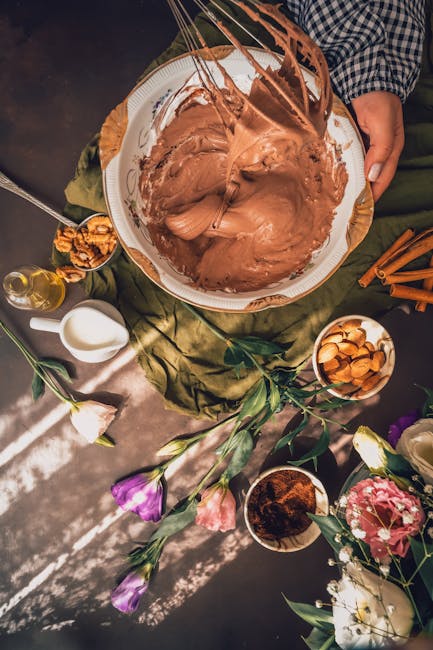
The texture of your pudding is paramount. For a perfectly smooth result, ensure you whisk the dry ingredients and milk thoroughly at the beginning. Constant stirring while on the heat is non-negotiable; it prevents the cornstarch from clumping and ensures even cooking. As noted by experts at King Arthur Baking, constant agitation is crucial for a lump-free pudding.[^2]
Chilling is the final, vital step. Allow the pudding to chill in the refrigerator for at least 4 hours, or ideally overnight, for optimal thickness. If your pudding turns out too runny, it likely needed more cooking time to fully activate the cornstarch. If it’s too thick, you can gently whisk in a small splash of milk to loosen it to your desired consistency.
Ideas for Customizing Your Pudding
Once you’ve mastered the base recipe, the fun begins. Top your pudding with freshly whipped cream, a handful of berries, or a sprinkle of chopped nuts for contrasting texture. For a more decadent twist, stir in some chocolate chips or a spoonful of peanut butter into the warm pudding before chilling.
Enhancing Your Desserts with Simple Presentation Ideas
You eat with your eyes first, and a beautiful presentation can transform a simple dessert into something special. You don’t need fancy tools—a spoon can create elegant swirls in whipped cream. A microplane or simple zester can create a dusting of chocolate or citrus zest over the top.
Consider your serving dishes. A clear glass bowl or individual mason jars showcases the beautiful layers of a pudding or parfait. A simple mint leaf, a dusting of powdered sugar, or a few strategically placed fresh fruits can make any **easy dessert recipe** look like it came from a boutique bakery. This small bit of effort shows care and enhances the overall enjoyment for both you and your guests.
Conclusion
Embarking on your dessert-making journey with simple **easy dessert recipes** is a rewarding and joyful experience. Remember that minimal ingredients and steps are not a compromise, but a feature that reduces stress and increases versatility. With a few essential tools and pantry staples, you are always prepared to create something sweet. Mastering a foundational recipe, like the no-bake chocolate pudding, builds confidence and opens the door to endless customization. Finally, a little attention to presentation goes a long way in making your homemade creations feel extra special.
FAQs
**Can I make desserts ahead of time?**
Absolutely! Many **easy dessert recipes**, especially no-bake options like puddings or certain fruit crisps, are perfect for making a day in advance. This allows flavors to meld and can make entertaining much easier.
**How should I store leftover pudding?**
Keep leftover pudding covered tightly with plastic wrap (touching the surface) or in an airtight container in the refrigerator. It is best enjoyed within 2-3 days.
**What are some substitutions for common allergens like nuts?**
For a nut-free topping, you can use seeds like toasted pumpkin or sunflower seeds for a similar crunch. Oat or cookie crumbles are also excellent alternatives.
**My pudding is lumpy. What can I do?**
If you discover lumps after cooking, you can often fix the texture by pressing the warm pudding through a fine-mesh sieve with the back of a spoon.
**Can I use a different type of milk?**
Yes, you can generally substitute with 2% milk, though the pudding may be slightly less rich. For a dairy-free version, unsweetened almond or oat milk can work, but the thickening time may vary slightly.
References
– [The Kitchn: How to Make a Quick Buttermilk Substitute]
– [King Arthur Baking: Perfect Pudding and Custard Techniques]
– [Serious Eats: The Food Lab’s Complete Guide to Whisking]
[^1]: The Kitchn offers a reliable guide for creating a quick buttermilk substitute at home.
[^2]: King Arthur Baking provides extensive resources on techniques for smooth, homogenous puddings and custards.