
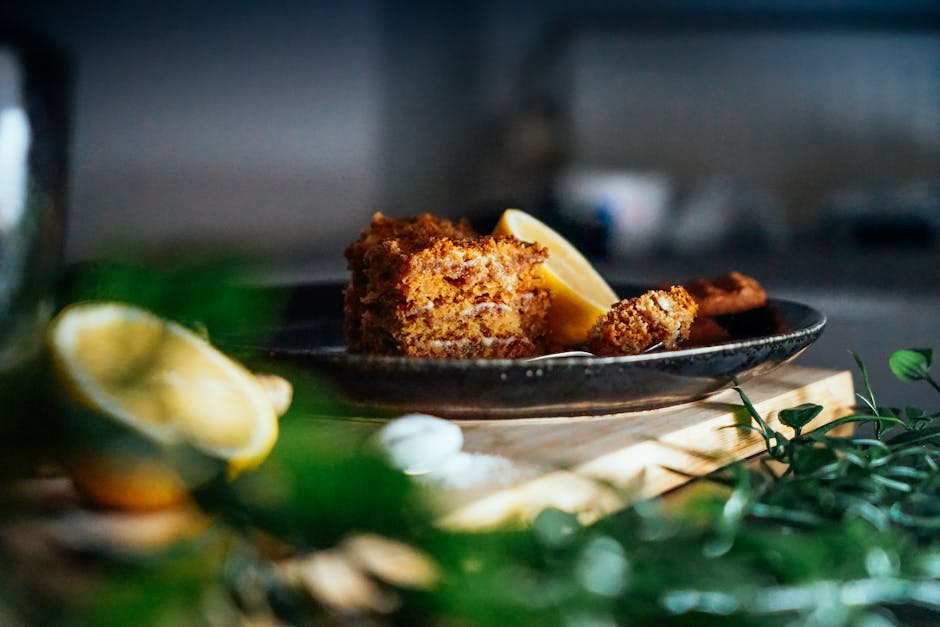
Dessert making is a delightful journey that transforms simple ingredients into moments of joy. Whether you’re a novice baker or a seasoned enthusiast, understanding the balance between classic techniques and creative freedom can elevate your desserts from good to extraordinary. This guide explores the foundational principles and artistic possibilities that make dessert creation so rewarding.
Understanding Dessert Foundations
Every great dessert begins with a solid understanding of its core components. The foundation of memorable desserts lies in mastering how ingredients interact and complement each other.
The Role of Key Ingredients
Flour provides structure, with different types offering varying textures. Cake flour yields tender crumbs, while all-purpose flour gives sturdier results. Sugar does more than sweeten—it contributes to browning, moisture retention, and texture. Fats like butter and oil create richness and tenderness, with butter offering flavor complexity that oil-based desserts might lack.
Basic Techniques Matter
Proper creaming of butter and sugar incorporates air for lightness, while gentle folding preserves delicate structures in mousses and soufflés. Tempering eggs prevents curdling when combining with hot mixtures, ensuring smooth custards and creams. These techniques, recognized by the American Culinary Federation as fundamental to pastry arts, separate amateur attempts from professional-quality results.[^1]
Balancing Sweetness and Acidity
The secret to desserts that aren’t cloyingly sweet often lies in balancing sugar with acidic components. A squeeze of lemon juice, a dollop of sour cream, or a fruit purée can cut through sweetness and add depth. This balance makes desserts more sophisticated and enjoyable.
Essential Tools for Home Bakers
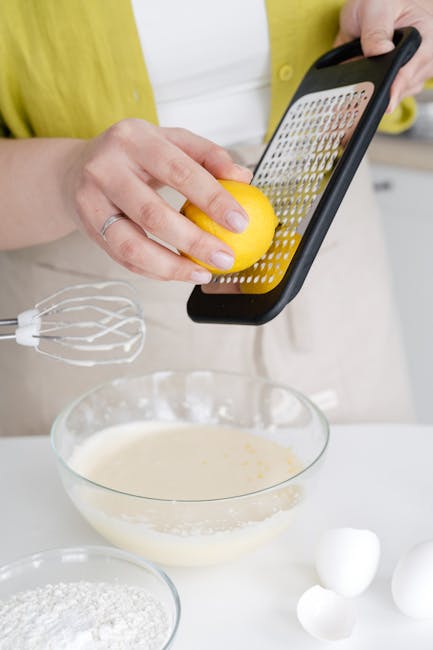
Every kitchen needs reliable mixing bowls, flexible spatulas for scraping every bit of batter, and a digital scale for precise measurements. While these basics cover most needs, optional tools like piping bags for decorative work, a kitchen torch for caramelizing, or an ice cream maker can expand your dessert repertoire significantly.
Mastering a Classic: The Perfect Chocolate Cake
Sometimes, the greatest satisfaction comes from perfecting a timeless classic. This chocolate cake recipe demonstrates how fundamental techniques create an unforgettable dessert.
Step-by-Step Recipe
Begin by preheating your oven to 350°F (175°C) and preparing two 9-inch round pans. Whisk together 2 cups all-purpose flour, ¾ cup cocoa powder, 2 cups sugar, 2 teaspoons baking powder, and 1 teaspoon salt. In another bowl, mix 3 large eggs, 1 cup milk, ½ cup vegetable oil, and 2 teaspoons vanilla. Gradually combine wet and dry ingredients, then stir in 1 cup boiling water until the batter is smooth.
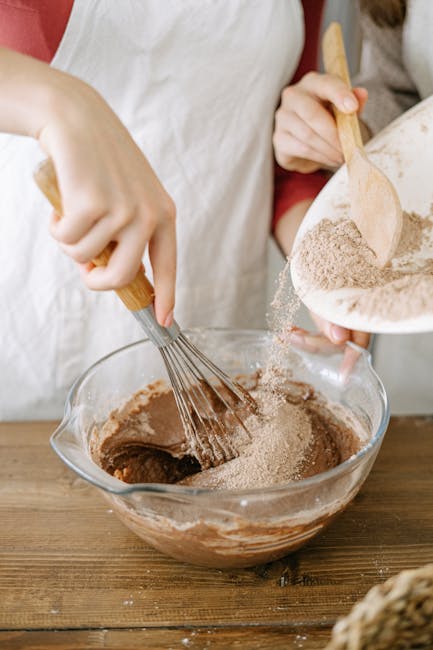
Divide the batter between prepared pans and bake for 30-35 minutes until a toothpick comes out clean. Cool for 10 minutes before transferring to wire racks.
Avoiding Common Mistakes
The most frequent errors in chocolate desserts include overmixing (which develops gluten and creates toughness), inaccurate measuring (leading to density issues), and overbaking (causing dryness). Using room temperature ingredients ensures proper emulsification and even baking.
Achieving Moistness and Rich Flavor
The secret to this cake’s moisture lies in the boiling water, which blooms the cocoa powder for maximum chocolate flavor. Using both oil and eggs provides reliable moisture without compromising structure. For enhanced richness, consider adding a teaspoon of instant espresso powder to intensify the chocolate notes.
Variations to Customize Your Cake
Personalize this foundation with additions like toasted walnuts for crunch, orange zest for brightness, or a pinch of cinnamon for warmth. For dietary adaptations, substitute gluten-free flour blends or reduce sugar by 25%, though texture may change slightly. Those with specific dietary concerns should consult nutritionists for tailored advice, as ingredients can affect individuals differently.[^2]
Creative Dessert Twists: Beyond the Basics
Once you’ve mastered fundamentals, creative exploration begins. Innovative desserts often play with unexpected combinations and presentations.
Salted caramel with dark chocolate creates a beautiful sweet-salty contrast that elevates both elements. Herbs like basil or thyme can add surprising freshness to fruit-based desserts, while spices from global traditions—cardamom in Scandinavian baking, star anise in Asian desserts—introduce new dimensions.
Decorative techniques transform simple desserts into showstoppers. A dusting of powdered sugar, chocolate drizzle, or fresh edible flowers make desserts visually appealing. Drawing inspiration from global traditions—French patisserie precision, Middle Eastern syrup-soaked pastries, or Latin American dulce de leche creations—can spark your own innovative desserts.
Storing and Serving Desserts Like a Pro
Proper storage maintains quality, while thoughtful serving enhances enjoyment. Most baked goods keep best at room temperature in airtight containers for 2-3 days, while custards and cream-filled desserts require refrigeration according to USDA food safety guidelines.[^3]
Pairing and Presentation
Pairing desserts with complementary beverages—rich chocolate cake with coffee, fruit tarts with sparkling wine, or cheesecake with dessert wines—creates harmonious flavor experiences. For gatherings, consider individual portions for easy serving, and use cake stands or decorative plates to elevate presentation.
Key Takeaways
Dessert making blends science and art, where understanding foundations enables creative expression. Mastering classic desserts provides the confidence to experiment, while proper techniques ensure consistent results. Remember that the best desserts often balance tradition with personal touches that reflect your taste and style.
FAQs
**What’s the most important technique for beginner dessert makers?**
Accurate measuring forms the foundation of successful desserts. Using a kitchen scale for weight measurements rather than volume cups provides greater precision and consistency.
**How can I reduce sugar in desserts without compromising texture?**
Replace up to ¼ of the sugar with alternatives like mashed ripe bananas, applesauce, or dates, which provide sweetness while maintaining moisture. For more significant reductions, consider using sugar substitutes specifically designed for baking.
**Why do my cakes often turn out dry?**
Overbaking is the most common cause. Oven temperatures can vary, so begin checking for doneness 5-10 minutes before the recipe suggests. Proper creaming of butter and sugar also helps incorporate air that contributes to moistness.
**What’s the best way to develop my own dessert variations?**
Start with a classic recipe you’ve mastered, then make one small change at a time—swapping extract flavors, adding zest, or incorporating mix-ins. Note what works and build from there.
**How far in advance can I prepare desserts for special occasions?**
Most baked goods freeze well for up to 3 months when properly wrapped. Cakes can be baked, frozen, then thawed and decorated 1-2 days before serving. Custards and mousses are best made 1-2 days ahead.
References
– [American Culinary Federation – Pastry Techniques]
– [USDA Food Safety Guidelines – Food Storage]
– [Dominique Ansel Kitchen – Creative Dessert Ideas]
– [King Arthur Baking – Ingredient Guides]
– [Serious Eats – Baking Science]
[^3]: [USDA provides comprehensive food safety guidelines for proper storage of various food types]