
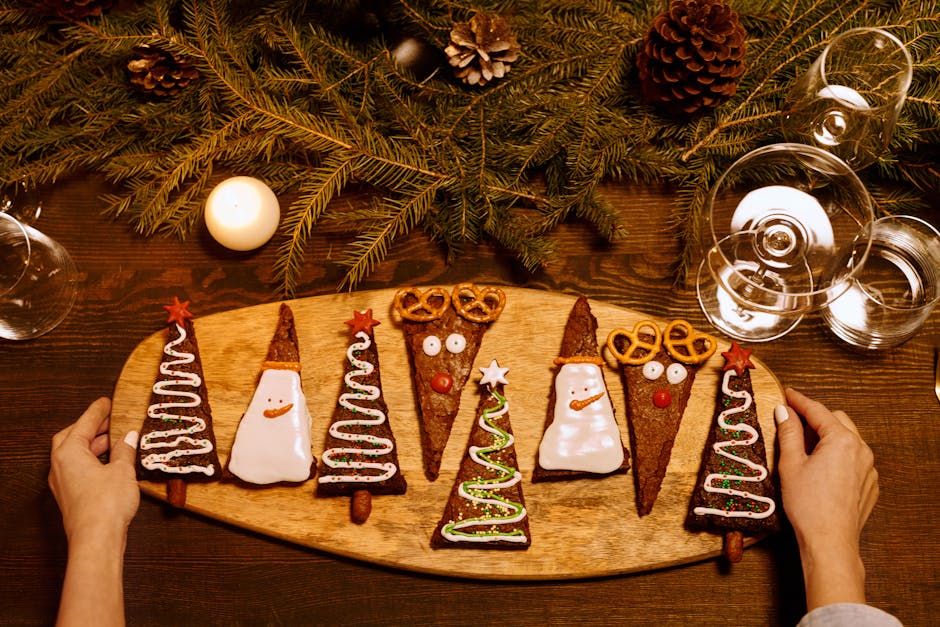
The magic of the holiday season often gathers in the glow of the kitchen. As the air grows crisp, our thoughts turn to the sweet, spiced, and celebratory—the world of **Christmas dessert recipes**. More than just a finale to a meal, these confections are the edible heart of our celebrations, weaving together flavor, memory, and tradition. This guide is designed to move beyond a simple list and delve into the *how* and *why* behind creating meaningful holiday sweets. Whether you’re a seasoned baker or embarking on your first festive bake, our focus is on building confidence, understanding traditions, and crafting desserts that spark genuine joy at your table.
The Heart of Christmas: Why Desserts Matter
At its core, holiday baking is an act of love and connection. The **Christmas dessert recipes** we return to year after year do more than satisfy a sweet tooth; they serve as a delicious anchor for our memories. The scent of gingerbread baking can transport us back to childhood kitchens, while the shared ritual of decorating cookies becomes a cherished family activity. These sweets are tangible links to our cultural and familial heritage, whether we’re upholding a generations-old recipe or starting a new tradition of our own.
In the pursuit of the perfect **Christmas dessert recipes**, it’s easy to get caught up in intricate decorations and flawless presentations. However, the true intention should be to create moments of joy. A lopsided Yule Log made with laughter in the kitchen often holds more meaning than a pristine, store-bought centerpiece. This season, let your guide be the smiles around your table, not just the picture-perfect result.
Mastering the Classics: A Deep Dive into Two Iconic Treats
With countless **Christmas dessert recipes** available, depth often trumps breadth. Gaining a true understanding of a few classics builds foundational skills and yields far more rewarding results than skimming the surface of many. Here, we’ll explore two pillars of holiday baking: the elegant Yule Log and the timeless gingerbread cookie.
The Yule Log: More Than Just a Cake
The Bûche de Noël, or Yule Log, is a dessert steeped in European history, its form echoing the ancient tradition of burning a special log during the winter solstice to bring good fortune for the coming year.[^1] This rolled cake, disguised as a wooden log, is a centerpiece that tells a story.
The journey to a great Yule Log begins with the sponge. A Joconde sponge (an almond-based cake) offers flexibility and a slightly denser texture, while a classic genoise is lighter and more delicate. For a foolproof roll, ensure your sponge is pliable and slightly warm when you first apply your filling. Speaking of fillings, a rich chocolate buttercream is a beloved standard, but chestnut cream or a mocha buttercream offer delightful variations.
The magic happens in the roll. A common worry is cracking. The key is to roll the sponge tightly in a clean kitchen towel as soon as it comes out of the oven, letting it cool completely in this shape. Once filled and re-rolled, creating a realistic “bark” texture is simple: use a fork to create lines in the outer layer of buttercream or drag the tines through chocolate ganache.
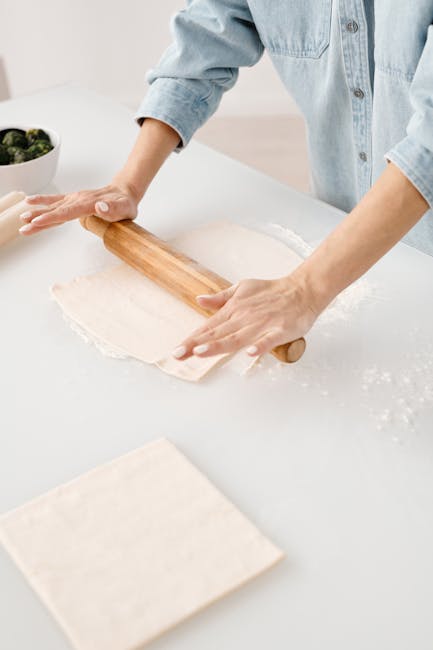
Gingerbread: The Spice of the Season
Few scents define the holidays like that of gingerbread. This cookie’s deep, warm flavor comes from the harmonious trio of ginger, cinnamon, and molasses. Molasses, a byproduct of sugar refining, provides not just a robust, bittersweet flavor but also moisture and a chewy texture, while the spices deliver that characteristic festive warmth.[^2]
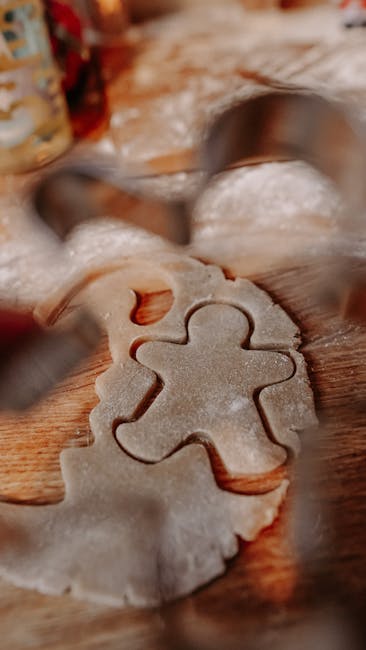
The secret to gingerbread cookies that hold their shape lies in the dough. After mixing, it is crucial to chill the dough thoroughly—at least two hours, or overnight. This solidifies the butter, prevents excessive spreading in the oven, and allows for sharp, clean cuts with your cookie cutters.
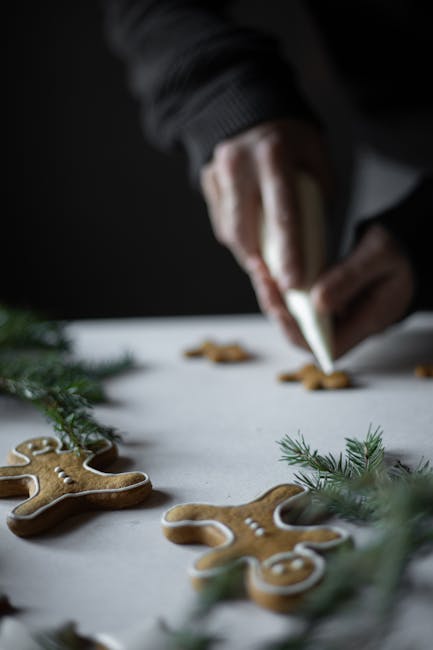
Decorating is where personality shines. Royal icing, made from powdered sugar and egg whites or meringue powder, is the artist’s tool. For outlining, you need a thicker consistency; for “flooding” or filling areas, thin it with a few drops of water until it flows smoothly. Beyond icing, consider natural decorations: a cinnamon stick “log,” a slice of dried orange, or a dusting of edible glitter.
Essential Techniques for Holiday Baking Success
Executing beautiful **Christmas dessert recipes** is as much about strategy as skill. A little planning transforms a hectic baking marathon into a serene holiday activity.
Start by creating a realistic timeline. Many components can be made ahead. Gingerbread dough can be refrigerated for days or frozen. Buttercream can be made and stored. Bake the Yule Log sponge a day before assembling. This pacing is the ultimate gift to your future self on Christmas Eve.
Pay close attention to ingredient temperatures. Recipes specify “room temperature” butter or eggs for a reason. Butter at around 65°F (18°C) creams perfectly with sugar, trapping air for a light texture. Cold eggs can cause a batter to break. Similarly, whipping cream should be very cold. Proper storage is the final guardian of flavor. Most buttercream-frosted cakes keep well at cool room temperature under a cake dome, while cookies stay crisp in airtight containers.
Putting It All Together: Crafting Your Christmas Dessert Moment
The final presentation is your chance to tell a visual story. A simple dusting of powdered sugar over a Yule Log can mimic a light snowfall. Arrange gingerbread cookies on a cake stand with sprigs of fresh rosemary. These small touches elevate your creations from mere sweets to part of the tablescape.
Consider the full sensory experience by pairing your desserts. A rich chocolate Yule Log finds a perfect partner in a cup of strong coffee or a glass of ruby port. Spicy gingerbread cookies are delightful with a hot mug of tea or a sweet dessert wine like Muscat.
Ultimately, the best **Christmas dessert recipes** are the ones you make your own. Adapt the spices in your gingerbread, choose a new filling for your log, or create a unique decoration. In doing so, you’re not just following a recipe; you’re weaving a new thread into your family’s holiday tapestry.

Conclusion
Creating memorable Christmas desserts is a joyful blend of tradition, technique, and personal touch. By understanding the stories behind classics like the Yule Log and gingerbread, you bake with more intention. Mastering key techniques—like proper dough chilling and strategic make-ahead planning—leads to confident, stress-free baking. Remember, the goal is to create sweet moments and lasting memories, where the joy of sharing far outweighs the pursuit of perfection. Let your kitchen be filled with the festive spirit this season.
FAQs
**Q: Can I make gingerbread cookie dough ahead of time?**
A: Absolutely. In fact, it’s highly recommended. Gingerbread dough benefits greatly from being tightly wrapped and refrigerated for at least 2 hours, or up to 3 days. You can also freeze the dough for up to 3 months. This chilling period makes the dough easier to handle and roll out, resulting in cookies that hold their shape beautifully.
**Q: My Yule Log sponge always cracks when I roll it. What am I doing wrong?**
A: The most common cause is rolling the sponge when it’s too cool. The key is to roll it *immediately* after taking it out of the oven. Lay a clean, lint-free kitchen towel on the counter, dust it lightly with powdered sugar, and invert the warm sponge onto it. While it is still warm and pliable, use the towel to help you roll it up from the short end. Let it cool completely in this rolled position before unrolling to fill.
**Q: What’s a simple substitute for royal icing if I don’t have meringue powder?**
A: A simple glaze made from powdered sugar and milk or lemon juice is a great, no-fuss alternative. Mix about 1 cup of powdered sugar with 1-2 tablespoons of liquid until you reach a thick but pourable consistency. It won’t harden as firmly as royal icing, but it sets enough for stacking and has a lovely, sweet flavor.
**Q: How far in advance can I assemble a Yule Log?**
A: You can assemble and frost a Yule Log 1-2 days in advance. Store it, lightly covered, in the refrigerator. For the best texture and flavor, take it out and let it sit at room temperature for about an hour before serving. The sponge and buttercream can be made separately even further in advance and stored until you’re ready to assemble.
**Q: Why is my gingerbread cookie dough so sticky and hard to roll?**
A: This usually means the dough needs more chilling time, or your kitchen is very warm. Pop the dough back in the refrigerator. When rolling, work on a surface generously floured with a mixture of flour and powdered sugar (the powdered sugar helps prevent sticking without making the dough tough). Roll out only a portion of the dough at a time, keeping the rest chilled.
*Note: Always check ingredient labels for potential allergens, especially when using spices, baking mixes, or decorative items.*
References
[^1]: The Spruce Eats. “The History of the Yule Log Cake.” Retrieved from https://www.thespruceeats.com/
[^2]: King Arthur Baking. “What’s the Difference Between Molasses Types?” Retrieved from https://www.kingarthurbaking.com/
– King Arthur Baking. “The Science of Baking.” https://www.kingarthurbaking.com/
– The Spruce Eats. “Food History & Culture.” https://www.thespruceeats.com/
– America’s Test Kitchen. “Trusted Recipes & Techniques.” https://www.americastestkitchen.com/