
Introduction: More Than Just a Recipe
We’ve all been there. You find a promising dessert recipe, follow each step meticulously, only to pull a flat cake, runny custard, or tough cookies from the oven. It’s a common frustration that can make the world of baking feel like a mysterious, finicky art reserved for experts. But what if the secret isn’t in blindly following instructions, but in understanding the principles behind them?
This guide is not another list of **desserts recipes**. Instead, it’s an invitation to move beyond memorizing steps and toward mastering the foundational “why.” Great dessert-making is a beautiful blend of art and science. By grasping a few core concepts, you empower yourself to not just replicate, but to create, adapt, and troubleshoot with confidence. We’ll explore the universal pillars that underpin most successful **desserts recipes**, see them applied in a classic case study, and learn how to diagnose common issues. Let’s begin the journey from recipe follower to dessert artist.
The Four Pillars of Dessert Success
Think of these four pillars as the universal framework for almost any sweet creation. Mastering them transforms baking from a rigid procedure into a flexible, creative process. They are the reasons why foundational **desserts recipes** work, and they are your keys to adapting them.
1. The Foundation: Understanding Your Ingredients
Every ingredient in your pantry has a role that extends far beyond flavor. Flour provides structure; using cake flour versus bread flour dramatically changes a cake’s crumb. Sugar does more than sweeten—it tenderizes, promotes browning through the Maillard reaction and caramelization, and retains moisture.[^1] Fats like butter and oil coat flour proteins to inhibit gluten formation, creating tenderness and carrying rich flavors. Eggs are the multi-talented workhorses: their proteins coagulate to set structure, yolks emulsify fats and liquids, and whipped whites incorporate air for lift. Knowing these functions allows you to make informed substitutions and predict outcomes.
2. The Method: Technique Over Tools
Fancy equipment is optional; proper technique is not. The *creaming method*—beating butter and sugar until light and airy—is crucial for building the structure of countless cakes and cookies.
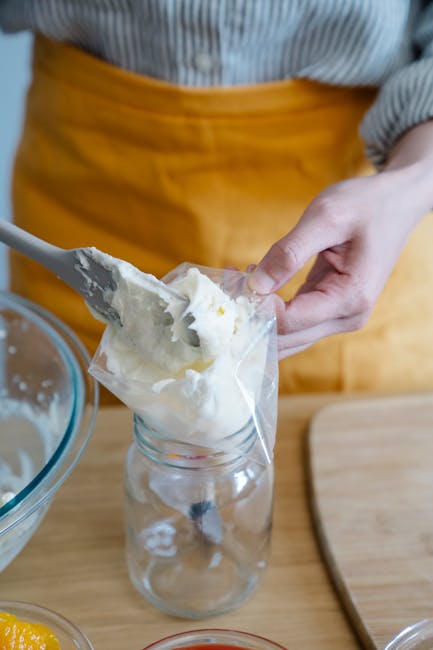
Conversely, *folding* gently incorporates air into delicate batters for soufflés without deflating them. Whipping egg whites or cream to the correct soft or stiff peak stage is a science of protein and fat stabilization. Even a simple step like *resting dough* allows gluten to relax for tender pie crusts and lets flavors meld, as championed by pastry chefs like Claire Saffitz. The method you choose directly shapes the final texture.
3. The Balance: Sweetness, Acidity, and Texture
The most memorable **desserts recipes** engage all the senses through balance. A pinch of salt or a grating of citrus zest doesn’t make a dessert salty or sour; it heightens and rounds out sweetness, preventing cloying monotony. Texture is equally vital. Contrast is king: a crunchy praline atop a silky panna cotta, a chewy brownie edge against a fudgy center. Consider the classic chocolate chip cookie. That small sprinkle of flaky salt on top isn’t just trendy—it creates a complex flavor burst that makes the chocolate taste richer and the cookie more addictive.
Putting It All Together: A Case Study in a Classic
Let’s apply our pillars to a single, iconic dessert to see how theory translates into practice. The humble chocolate chip cookie is a perfect canvas because subtle changes in ingredients and method yield wildly different results.
Deconstructing the Perfect Chocolate Chip Cookie
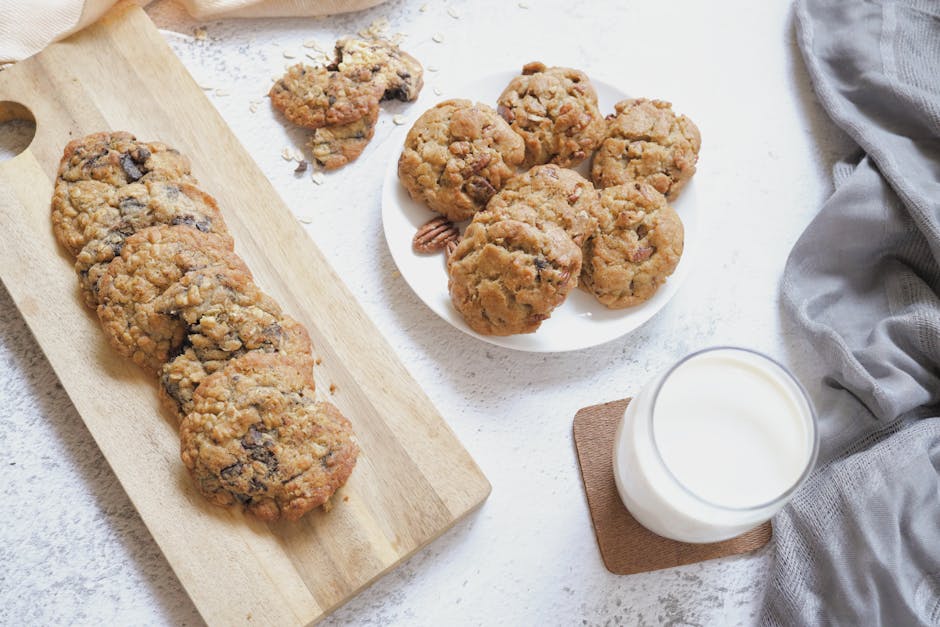
Every choice you make aligns with our pillars. For a **chewy, soft cookie**: use more brown sugar (its molasses adds moisture and acidity), cream room-temperature butter with the sugars (trapping air for lift), and *chill the dough*. Chilling solidifies the fat, preventing overspreading, and allows flour hydration for better texture and developed flavor.[^2] Bake at a moderate temperature (around 190°C or 375°F) for a soft center.
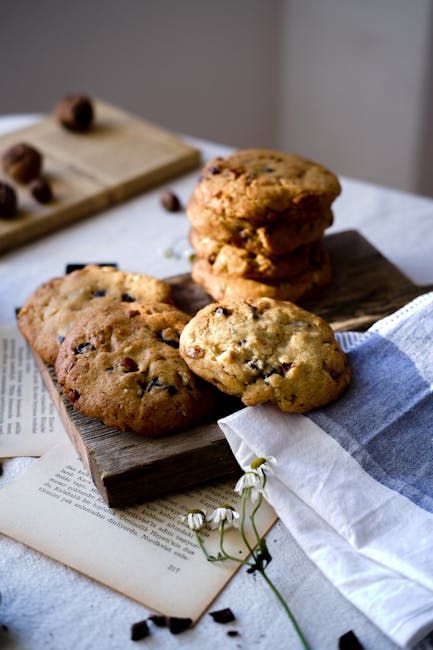
For a **thin, crispy cookie**: use more white sugar, melt the butter (reducing air incorporation), and skip the chill. Bake at a slightly lower temperature for longer to dry it out. This demonstrates how the *Foundation* (ingredient choice) and *Method* (creaming vs. melting, chilling) directly dictate your outcome.
Adapting Your Knowledge: From Classic to Creative
Once you understand this cookie blueprint, you can innovate confidently using the *Balance* pillar. Swap chocolate chips for toasted nuts and dried fruit. Add a teaspoon of espresso powder to deepen the chocolate flavor. Create a “kitchen sink” cookie by adding pretzels for salt and crunch, and oats for chew. The classic **desserts recipes** become templates for your own creations.
Troubleshooting Common Dessert Dilemmas
Even with strong fundamentals, hiccups happen. View them as learning opportunities to reinforce the pillars.
Why Did My Cake Sink? & Other Texture Troubles
A sunken cake often points to the *Method* pillar. Over-mixing a batter after adding flour can develop too much gluten, creating a tough structure that rises then collapses. Under-baking means the structure hasn’t set. An inaccurate oven temperature (always use an oven thermometer!) can cause uneven baking. Solutions? Mix just until combined, test for doneness with a skewer, and know your oven’s true temperature.
My Frosting is Grainy or Curdled. Now What?
This common buttercream issue is a lesson in emulsion (the *Foundation* pillar, specifically fats and liquids). Graininess often means undissolved sugar. Curdling usually occurs when cold ingredients are added to warm butter, breaking the fat-water emulsion. The rescue? For a grainy frosting, gently warming the bowl can dissolve the sugar. For a curdled one, slowly adding a tablespoon of warm cream or gently reheating the mixture while whisking can bring it back to a smooth, silky state.
Conclusion: Your Journey as a Dessert Artist
The true art of dessert lies not in flawless execution on the first try, but in understanding the principles that guide creation. We’ve moved from seeing **desserts recipes** as fixed instructions to viewing them as expressions of core fundamentals: Ingredients, Method, and Balance. With these pillars as your guide, you are equipped to experiment, adapt classic recipes, and troubleshoot with a diagnostic eye.
Embrace the process. Let your kitchen be a studio. Share your delicious, perhaps imperfect, creations with pride. The greatest reward is the joy and confidence that comes from knowing not just *how*, but *why*. Your journey as a dessert artist has just begun.

FAQs
**Q: I only have all-purpose flour. Can I still make a tender cake?**
A: Absolutely. While cake flour is ideal for ultra-tender cakes, using all-purpose flour is fine for most **desserts recipes**. To mimic cake flour’s lower protein content for a more delicate crumb, you can replace two tablespoons per cup of all-purpose flour with cornstarch.
**Q: Why do recipes always say to use room-temperature eggs and butter?**
A: Temperature is a key part of the *Method* pillar. Room-temperature butter creams more effectively with sugar, trapping air for lift. Room-temperature eggs incorporate more evenly into batters and emulsions, preventing a curdled appearance in mixtures like cake batter or custard.
**Q: How can I reduce sugar in a recipe without ruining it?**
A: Sugar’s roles in tenderness, moisture, and browning mean you can’t simply omit it. For reliable results, never reduce sugar by more than 25%. You can sometimes compensate by adding moisture-rich ingredients like applesauce or mashed banana, but expect changes in texture and browning.
**Q: What’s the single most important tool for better baking?**
A: A digital kitchen scale. Measuring by weight (grams) is infinitely more accurate than measuring by volume (cups), ensuring consistency and success, especially for the *Foundation* pillar of ingredients. It’s the standard tool used in professional kitchens and serious **desserts recipes**.
**Q: My cookies always spread too much. What am I doing wrong?**
A: This typically relates to the *Method* pillar and butter temperature. Ensure your butter is at the correct temperature (room-temperature for creaming, not melted), always chill your dough as specified, and check that your baking powder/soda is fresh. Also, try baking on a cool, light-colored baking sheet.
References
– [King Arthur Baking: Ingredient Weight Chart]
– [Serious Eats: The Food Lab’s Complete Guide to Chocolate Chip Cookies]
– [The Culinary Institute of America: Baking & Pastry]
– [USDA FoodData Central] (for general food composition data)
– [America’s Test Kitchen: The Science of Good Cooking]
– [Harold McGee, *On Food and Cooking: The Science and Lore of the Kitchen*] – Explores the multifaceted roles of sugar, including caramelization and the Maillard reaction.
– [Dominique Ansel on Cookie Dough Resting] – Technique widely endorsed by the pastry chef to improve flavor and texture.