
Introduction
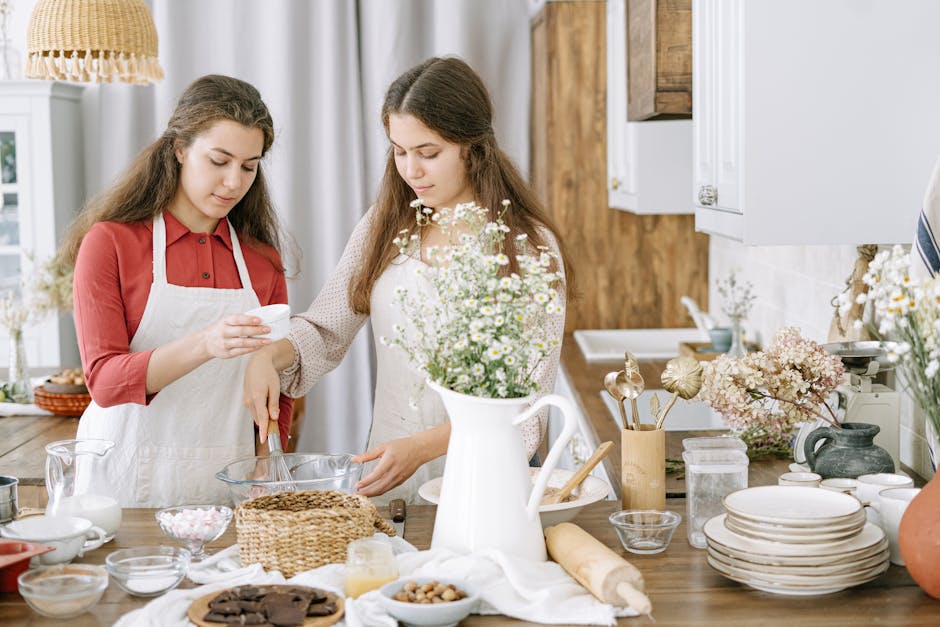
Creating memorable dessert recipes is both science and art—a delicious intersection where precise measurements meet creative expression. Whether you’re a weekend baker or an aspiring pastry enthusiast, understanding the fundamental principles behind successful dessert creation can transform your kitchen experiences. This guide explores the essential techniques, ingredient knowledge, and troubleshooting strategies that form the foundation of exceptional dessert recipes.
Understanding Dessert Recipe Fundamentals
The journey to perfect dessert recipes begins with understanding the basic science that makes desserts work. From the crystalline structure of sugar to the precise temperatures that create ideal textures, these fundamentals separate good desserts from extraordinary ones.
The Role of Key Ingredients
Every ingredient in your dessert recipes serves a specific purpose. Sugars do more than sweeten—they contribute to texture, moisture retention, and browning through caramelization. Different sugars behave differently; granulated sugar provides structure in cookies, while brown sugar adds moisture and deeper flavor notes due to its molasses content.
Fats, whether butter, oil, or cream, significantly impact mouthfeel and texture. Butter contributes flavor and creates flaky layers in pastry, while oil often yields moister cakes. The choice between them can dramatically alter your final dessert recipes.
Leavening agents like baking soda and baking powder create chemical reactions that give desserts their lift. Understanding when to use each—baking soda for acidic batters, baking powder for neutral ones—ensures proper rise and texture in your dessert recipes.
Temperature Control and Flavor Balancing
Temperature control affects everything from butter consistency to setting times in dessert recipes. Proper temperature management ensures ingredients behave predictably and techniques work as intended.
Balancing sweetness with acidic or bitter elements creates depth in your dessert recipes. The Culinary Institute of America emphasizes that contrasting flavors like sweet and tart create more complex, satisfying desserts that aren’t cloyingly sweet.
Mastering Essential Dessert Techniques
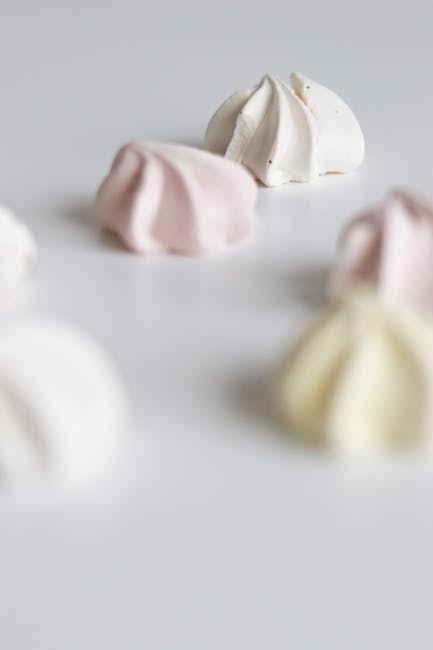
Proper technique transforms quality ingredients into spectacular desserts. The creaming method—beating butter and sugar until pale and fluffy—incorporates air that helps leaven cakes and cookies. This foundational technique appears in countless dessert recipes and deserves mastery.
Tempering chocolate requires patience and precision but rewards you with professional-looking results. By carefully heating and cooling chocolate to specific temperatures, you achieve that satisfying snap and glossy finish that elevates simple dessert recipes.
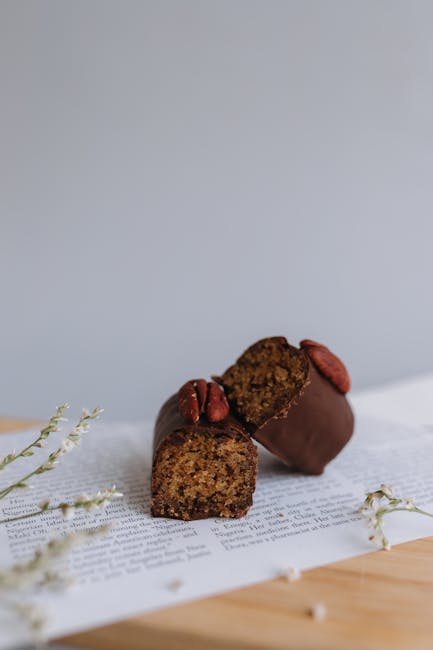
Folding techniques preserve the air in delicate batters, whether you’re incorporating egg whites into a soufflé base or flour into a cake batter. Using a gentle, sweeping motion with a spatula ensures even mixing without deflation.
Testing for doneness varies across dessert types—the clean toothpick test for cakes, the jiggle test for custards, and the golden edge test for cookies. Learning these visual and tactile cues ensures your dessert recipes turn out perfectly every time.
Temperature-Sensitive Methods
Many dessert recipes depend on precise temperature control. Gelatin sets at specific temperatures, requiring careful heating for activation and proper cooling for setting. Understanding this thermal behavior helps create everything from panna cotta to mousses with ideal texture.
Custard preparation demonstrates temperature’s critical role. Using a water bath (bain-marie) provides gentle, even heat that prevents curdling and ensures smooth, creamy results in dessert recipes like crème brûlée and cheesecake.
Butter manipulation in pastry dough showcases temperature’s importance. Keeping butter cold creates steam pockets during baking that result in flaky layers, while softened butter creams smoothly with sugar for cakes. These temperature considerations transform basic dessert recipes into textured marvels.
Developing Your Signature Dessert Style
Once you’ve mastered fundamentals and techniques, developing your unique approach to dessert recipes becomes the creative frontier. Building flavor layers involves considering how ingredients interact throughout the eating experience—from initial aroma to finishing notes.
Texture contrast creates memorable dessert recipes that engage multiple senses. Combining creamy, crunchy, chewy, and smooth elements within a single dessert adds complexity and interest. Think of a chocolate tart with crisp crust, silky filling, and crunchy garnish.
Seasonal ingredient incorporation connects your dessert recipes to nature’s calendar. Fresh berries in summer, apples in fall, citrus in winter—these seasonal touches make desserts feel timely and special while often improving flavor and affordability.
Presentation techniques elevate home dessert recipes to restaurant-quality experiences. Simple touches like dusting with powdered sugar, adding edible flowers, or using sauce patterns transform familiar desserts into visually stunning creations.
Troubleshooting Common Dessert Challenges
Even experienced bakers encounter challenges with dessert recipes. Understanding common issues and their solutions builds confidence and reduces kitchen frustration.
Preventing baking failures often comes down to recipe accuracy and oven knowledge. Measuring ingredients properly, understanding your oven’s hot spots, and avoiding frequent door opening during baking can prevent many common problems in dessert recipes.
Environmental factors like altitude and humidity require recipe adjustments. High-altitude baking may need increased liquid and decreased leavening, while humid conditions often require reduced liquid in dessert recipes.
Rescuing kitchen mishaps saves time and ingredients. Broken emulsions can often be rebuilt by starting with a fresh base and slowly incorporating the broken mixture. Curdled batters can sometimes be saved by adjusting temperature or adding stabilizers.
Proper storage maintains the quality of your dessert recipes. Understanding which desserts freeze well, which need refrigeration, and which are best at room temperature ensures your creations taste their best when served. Always follow USDA food safety guidelines for proper ingredient handling and storage.
Conclusion
Creating exceptional dessert recipes combines scientific understanding with artistic expression. By mastering fundamental principles, practicing essential techniques, developing your unique style, and learning to troubleshoot common challenges, you’ll transform your dessert-making journey. Remember that even professional pastry chefs continue learning—each batch of cookies, each layer cake, each custard adds to your experience and intuition.
FAQs
**What’s the most important factor in creating successful dessert recipes?**
Precision in measurement and technique forms the foundation. While creativity matters, consistent results come from understanding and executing basic principles correctly.
**How can I reduce sweetness in dessert recipes without compromising texture?**
Try replacing some granulated sugar with alternatives like mashed banana or applesauce, or balance sweetness with acidic ingredients like citrus zest or yogurt.
**Why do my cakes often dome or crack in the middle?**
This typically indicates your oven temperature is too high, causing the edges to set before the center has finished rising. Try reducing temperature by 25°F and ensure proper rack positioning.
**What’s the best way to develop my own dessert recipes?**
Start by mastering classic recipes, then make small, intentional modifications. Change one element at a time—like substituting a different flour or adding a new flavor extract—and note the results.
**How important is room temperature for ingredients in dessert recipes?**
Crucial for many techniques. Room-temperature butter creams properly, eggs incorporate better, and ingredients blend more evenly, creating superior texture in your desserts.
**How can I ensure food safety when working with dessert ingredients?**
Always wash hands thoroughly before handling ingredients, use separate utensils for raw eggs, refrigerate perishable components promptly, and follow proper storage guidelines for different dessert types.
References
– [King Arthur Baking: Ingredient Weight Chart]
– [America’s Test Kitchen: The Science of Good Cooking]
– [Institute of Culinary Education: Baking Science]
– [USDA Food Safety Education]
– [Serious Eats: The Food Lab]